

A Loan is one of the most widely used financial tools for managing personal, business, and investment needs. Whether it is purchasing a home, funding higher education, expanding a business, or managing short-term cash flow, borrowing plays a structured role in financial planning. When used responsibly, a loan can support long-term goals without disrupting financial stability.
This article explains the concept of a Loan, its major types, how the borrowing process works, and key factors to consider before applying.
What Is a Loan?
A Loan is a financial arrangement in which a lender provides a specific amount of money to a borrower under agreed terms. The borrower commits to repaying the principal amount along with interest within a defined period. The agreement typically includes details such as repayment schedule, interest rate, tenure, and any applicable fees.
Loans can be secured or unsecured. In secured borrowing, the applicant provides collateral, such as property, gold, or other assets. In unsecured borrowing, approval depends primarily on income, creditworthiness, and repayment capacity.
At its core, a Loan is a contractual obligation. Understanding its structure before committing is essential for maintaining financial discipline.
Major Types of Loans
Borrowing products are designed to meet different financial objectives. The following categories represent common loan types available in the financial market.
1. Personal Loan
A personal loan is generally unsecured and can be used for various purposes, including medical expenses, travel, home improvement, or emergency requirements. Since it does not require collateral, the interest rate may be higher compared to secured borrowing options.
2. Home Loan
A home loan is used to purchase, construct, or renovate residential property. It is secured against the property being financed. These loans usually have longer tenures and structured repayment options.
3. Business Loan
Business loans support working capital requirements, equipment purchases, expansion plans, or operational needs. Approval depends on business financial records, revenue stability, and credit profile.
4. Education Loan
An education loan helps finance tuition fees, accommodation, and related expenses for higher studies. Repayment often begins after course completion, depending on the lender’s policy.
5. Gold Loan
A gold loan is secured by pledging gold jewellery or ornaments as collateral. It is typically processed quickly and may carry lower interest rates compared to unsecured borrowing.
Each type of Loan serves a specific purpose. Selecting the appropriate category ensures better alignment with financial goals.
How the Loan Process Works
Understanding the borrowing process reduces uncertainty and improves approval chances. The typical stages include:
1. Application
The borrower submits an application along with required documents such as identity proof, address proof, income statements, and bank records. The information provided should be accurate and complete.
2. Eligibility Assessment
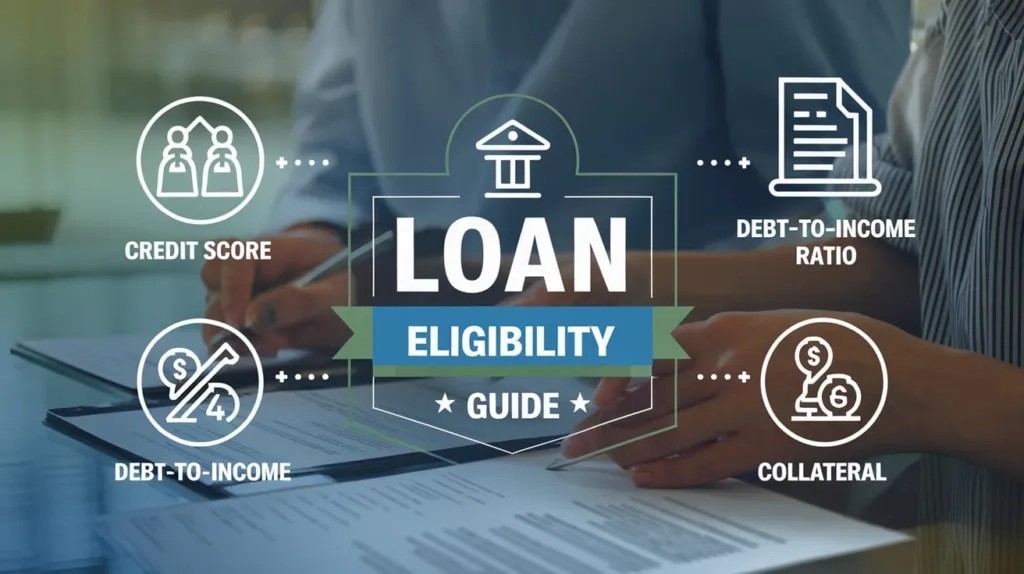
Lenders evaluate repayment capacity using factors such as income level, employment stability, existing financial obligations, and credit score. For secured loans, collateral value is also assessed.
3. Approval and Offer
If eligible, the lender provides a formal offer outlining loan amount, interest rate, tenure, processing charges, and repayment schedule.
4. Disbursement
Once the agreement is signed, the approved amount is credited to the borrower’s bank account or directly paid to the relevant entity, such as a property seller or educational institution.
5. Repayment
Repayment typically occurs through equated monthly installments (EMIs). Timely repayment strengthens credit history and improves future borrowing prospects.
Each step in the Loan process is structured to manage risk for both borrower and lender.
Interest Rates and Repayment Structure
Interest is the cost of borrowing money. It can be structured in two primary ways:
- Fixed Interest Rate: The rate remains constant throughout the tenure.
- Floating Interest Rate: The rate may change based on market conditions.
The repayment schedule includes principal and interest components. In the early stages, a larger portion of EMI may go toward interest, while later payments reduce the principal balance more significantly.
Understanding the total repayment obligation helps borrowers plan long-term finances effectively.
Factors to Consider Before Taking a Loan
Borrowing should be a strategic decision rather than an immediate reaction to financial pressure. Before applying, consider the following:
1. Purpose Clarity
Define why the Loan is required. Borrowing for asset creation or income generation may provide long-term value, while borrowing for discretionary spending should be evaluated carefully.
2. Repayment Capacity
Assess monthly income, existing commitments, and savings. EMI obligations should not strain essential expenses or emergency reserves.
3. Interest and Charges
Review processing fees, prepayment penalties, late payment charges, and other applicable costs.
4. Tenure Selection
A longer tenure reduces EMI amount but increases total interest paid. A shorter tenure increases EMI but lowers overall cost.
5. Credit Score Impact
Maintaining a strong credit score improves access to favorable borrowing terms. Missed payments can significantly impact future eligibility.
Responsible evaluation ensures that a Loan strengthens financial planning rather than creating unnecessary stress.
Benefits of Structured Borrowing
When managed responsibly, borrowing offers several advantages:
- Immediate access to funds without liquidating investments
- Opportunity to acquire assets such as property or equipment
- Ability to manage short-term financial gaps
- Credit profile improvement through disciplined repayment
However, benefits are realized only when repayment discipline is maintained consistently.
Risks Associated with Loans
While borrowing can support financial growth, it also carries potential risks:
- Accumulation of debt due to multiple borrowings
- Financial strain if income becomes unstable
- Penalties for missed payments
- Negative impact on credit score
Understanding these risks encourages careful planning before committing to a Loan agreement.
Tips for Responsible Loan Management
Effective management begins after disbursement. Consider the following practices:
- Set automatic payment instructions to avoid delays
- Avoid taking additional debt without reviewing affordability
- Maintain an emergency fund to manage unexpected income disruptions
- Periodically review outstanding balance and repayment progress
Financial awareness ensures borrowing remains controlled and aligned with long-term objectives.
Conclusion
A Loan is not merely a financial product; it is a structured commitment that requires careful planning and disciplined repayment. When chosen appropriately and managed responsibly, borrowing can support personal growth, business expansion, or investment goals. However, understanding eligibility criteria, repayment obligations, interest structures, and potential risks is essential before entering into any agreement.
Informed decision-making transforms a Loan from a short-term solution into a strategic financial tool. By evaluating needs clearly, comparing options carefully, and maintaining repayment discipline, borrowers can use loans to build financial stability rather than compromise it.