
In a crowded area like Astoria, weather, foot traffic, and deteriorating infrastructure constantly wear down sidewalks and concrete slabs. This eventually results in problems like spalling surfaces, ponding water, heaving slabs, and fissures that can cause violations and responsibility for property owners. Collaborating with a skilled concrete contractor in Queens, New York, facilitates the early detection of these problems and the implementation of long-lasting, code-compliant fixes. Astoria concrete sidewalks and slabs may remain safer, smoother, and more attractive for decades if they are properly planned and built.
Expert contractors do more than “patch what’s broken.” To prevent the same failures, they deal with the root causes, which include poor base preparation, root pressure, freeze-thaw cycles, drainage issues, and low-quality mixes. The most frequent sidewalk and slab issues in Astoria are listed here, along with the greatest preventative measures taken by experts.
1. Joint Failure and Cracking
From tiny shrinkage cracks to large structural failures, cracks are the most frequent failure of Astoria concrete sidewalks and slabs. Temperature variations, drying shrinkage, overloading slabs, and a lack of control joints are all factors. Once water gets in, freeze-thaw activity can exacerbate the damage and cause entire flags to come loose.
By creating acceptable joint layouts, utilising the necessary slab thickness and reinforcement, and choosing a mix with the right water–cement ratio, a qualified concrete contractor in Queens, NY, lowers the danger of cracking. Timely saw-cut joints, appropriate drying, and deliberate strengthening at stress sites (corners, curb cuts, driveways) all help keep cracks tight and non-structural.
2. Settlement, Trip Hazards, and Uneven Slabs
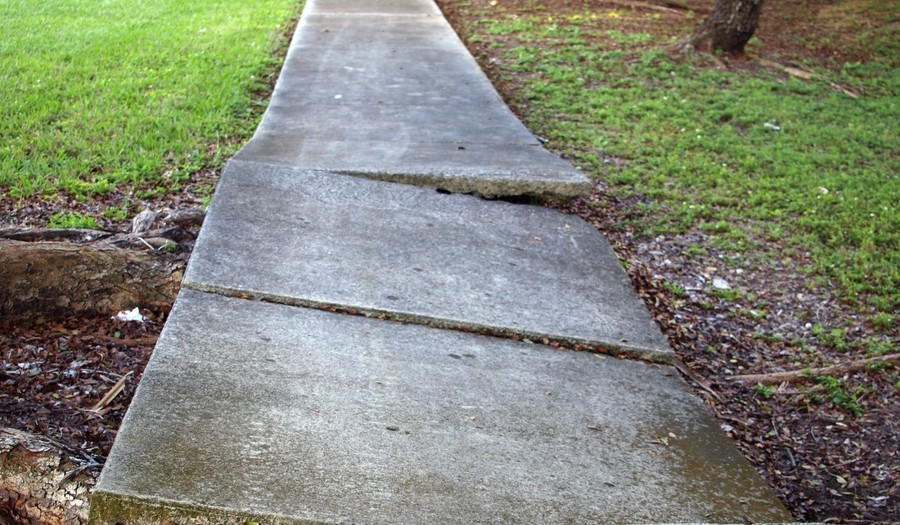
Adjacent slabs frequently rise or sink at different rates due to differential settlement, tree roots, and poorly compacted subgrade. This results in sudden height variations at joints, which can cause DOT infractions and typical NYC trip hazards along concrete sidewalks and slabs in Astoria.
Professional contractors begin with subgrade correction, which involves removing organic soils, compacting foundation layers, and occasionally adding granular fill, to avoid these problems. Root barriers or revised layouts are taken into consideration when trees are included. Grinding high points, slab jacking or mudjacking to level settled portions, or full-depth replacement where movement is severe are alternatives for restorations.
3. Pop-outs, Surface Scaling, and Spalling
Spalling happens when the surface layer of concrete flakes off, revealing coarse aggregate and creating rough, degraded surfaces. Utilising too much water to complete the surface, applying de-icing salts in the winter, utilising a weak concrete mix, or not properly curing are common culprits. In addition to being unsightly, scaling speeds up more damage as more water seeps in.
By utilising a mix that is appropriately proportioned, avoiding overworking the surface, and enforcing proper curing procedures, a trustworthy concrete contractor in Queens, NY, can prevent spalling. Air-entrained concrete, sufficient cover over reinforcement, and careful choice of surface finishes and sealers improve the slab’s resistance to freeze-thaw and de-icing chemicals for high-traffic walkways.
4. Standing Water and Inadequate Drainage
Another common issue with Astoria’s concrete sidewalks and slabs is improper slope. Water ponds on the surface when slabs are not pitched correctly toward the curb or drainage points, which raises the risk of slips and encourages degradation. Standing water at joints can seep into basements or other structures and hasten freeze-thaw damage.
Professional contractors design sidewalks with code-compliant slopes and cross-falls, usually pitching slightly toward the street while respecting building thresholds. They modify base materials, steer clear of low areas, and continuously verify elevations using lasers or levels during installation. To keep water flowing away from buildings in trouble spots, they might regrade nearby soils, install trench drains, or create weep channels.
5. Low-quality repairs and material deterioration
Patchwork using non-compliant materials, including weak bag mixes or asphalt overlays, is another prevalent problem in Astoria. These hasty solutions frequently create uneven surfaces and draw DOT attention because they crumble, separate, or sink more quickly than nearby concrete. The curb appeal of otherwise well-maintained properties is also diminished by inconsistent colour and texture.
By utilising NYC-spec concrete, appropriate air content, and long-lasting aggregate, a skilled concrete contractor in Queens, New York, concentrates on long-term performance. They match thickness, finish, and joints, key in edges, and eliminate failing material to sound concrete. By restoring the structural integrity and aesthetic coherence of concrete sidewalk and slabs in Astoria, this method assists property owners in avoiding recurring infractions and expensive rework.
Building Safer, Better-Looking Concrete in Astoria
Cracking, subsidence, spalling, ponding, and inadequate patching are common sidewalk and slab failures in Astoria that are typically caused by underlying design and construction errors rather than just “old concrete.”
Property owners can identify underlying issues and put long-lasting, NYC-compliant solutions in place by working with an experienced concrete contractor in Queens, New York. Properly planned, reinforced, sloped, and cured concrete sidewalks and slabs in Astoria provide smoother walking surfaces, increased curb appeal, and long-term safety, all of which contribute to community value and pedestrian comfort.